The Fence That Leaks on Purpose: Choosing Screens and Fixings for a Windy Garden
Photo: Acabashi, CC BY-SA 4.0, via Wikimedia Commons
Most of us treat wind as weather rather than design. We build the fence, plant the shrub, put up the pergola, and then spend the next storm watching a panel bow and wondering why. In a British garden, wind is not an occasional visitor. It is a condition of the site, as fixed as soil pH or the fact that the shady corner will never grow tomatoes. Design for it from the start and you spend less time replacing things.
The instinct, understandably, is to build a wall. Something solid, tall and reassuring at the boundary. It is also the single most reliable way to make a windy garden windier.
A solid panel is a sail
Wind is not a wall of air hitting a wall of timber. It is a river, and a solid fence is a dam. The pressure builds on the windward face, the air spills over the top, and it curls back down on the sheltered side in a rolling eddy that is often stronger and more turbulent than the wind that started it. That is why the leeward side of a solid fence can strip leaves off a shrub while the windward side looks untouched.
Then there is the load. A close-boarded panel two metres high is a serious sail, and every gust is trying to lever it out of the ground. Posts rot at the base because water sits where timber meets soil. Rails pull away because the fixings were never asked to resist uplift. Panels drum, rattle and eventually go. The fence does not fail because it was badly built. It fails because it was built to block something that cannot be blocked.
Filter, don't block
The better move is a screen with gaps. A porous barrier takes the energy out of the wind rather than stopping it dead. Air passes through, the gust is broken into smaller eddies, and the sheltered zone behind is calmer and longer. The useful figure to aim for is roughly 40 to 50 per cent open area. Less than that and you are back to sailing. Much more and you may as well not bother.
That openness can come from hit-and-miss slats, woven hazel or willow hurdles, a decent trellis, or windbreak netting on a frame. What matters is even distribution. A screen with 45 per cent of its area in one big hole at the top is not porous, it is a solid fence with a gap. Space slats evenly, keep the gaps consistent, and resist the urge to close them up because the garden looks exposed in February. It will look considerably worse with a fallen panel in March.
Height, distance and the awkward business of rules
A windbreak works best when it is slightly shorter than the thing you are protecting, not taller. As a rule of thumb, the sheltered zone extends downwind about ten to fifteen times the height of the screen, and upwind about two to three times. A two-metre screen therefore protects a good stretch of garden, but only if it is the right two metres in the right place.
In England and Wales, fences and walls over two metres need planning permission, and the limit drops to one metre next to a highway. Rules differ in Scotland and Northern Ireland, and conservation areas and listed buildings complicate things further. Check with your local authority before you buy timber, not after. It is also worth thinking about your neighbour. A porous screen at the boundary is a far friendlier object than a solid wall, both socially and aerodynamically.
Timber that earns its keep
Wind exposes every weakness in a material. Thin battens cup and split. Untreated softwood goes brittle. Overlong spans sag. For slatted screens, 20 to 25mm slats are a sensible minimum, fixed to a frame that is properly braced. For posts, 100 x 100mm is a better starting point than the 75mm posts that come in cheap kits. If you are buying treated redwood, look for the treatment class and check the cut ends are sealed. Larch, Douglas fir, cedar and oak all have their fans, but the honest answer is that any timber will last if it is detailed well and allowed to dry.
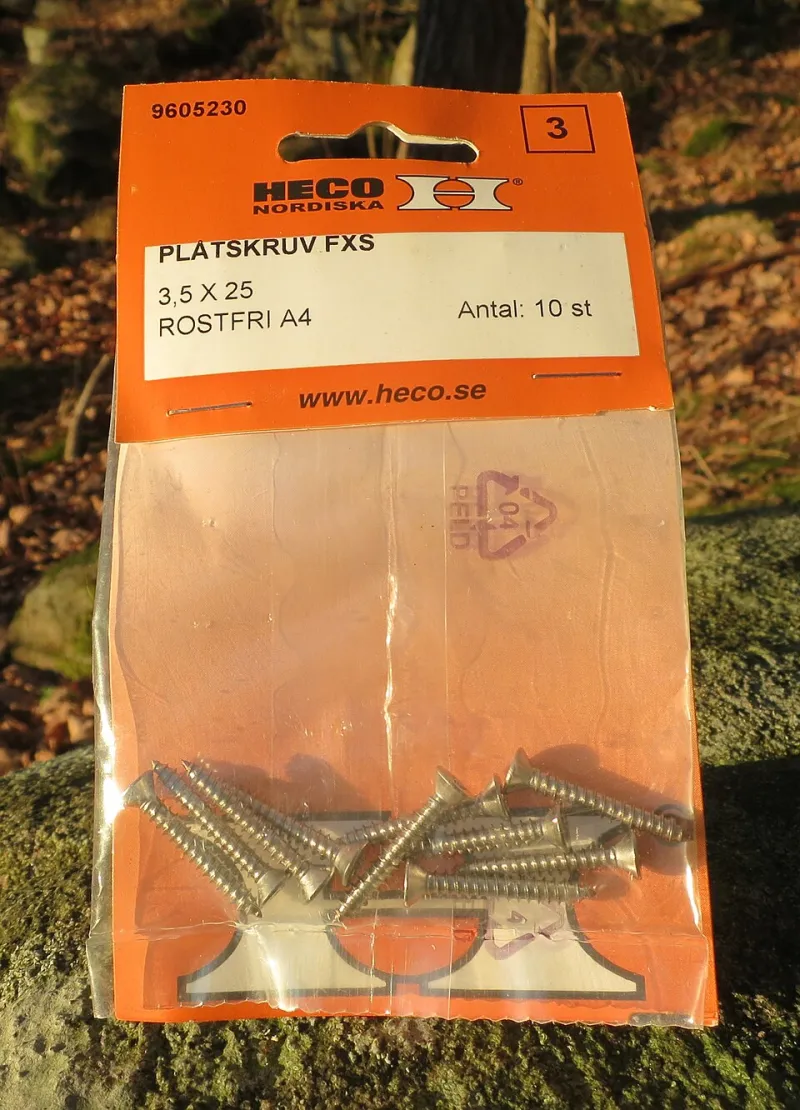
Coastal gardens are their own special case. Salt eats cheap galvanised fittings, so specify stainless steel, ideally A4, for anything structural. Hot-dip galvanised brackets are fine inland, but thin electroplated screws and wire nails will let you down within a few seasons. Buy the fixings from a proper merchant, not a bargain bin, and buy more washers than you think you need.
The joints that decide whether it stays up
Most wind damage happens at the connections. Screws driven into end grain have very little holding power, so bolt through posts wherever you can, using coach screws with washers. Brace the frame diagonally; a rectangle without a brace will rack itself loose. Allow timber to move and water to escape. Chamfer the tops of posts so rain runs off, keep the base of the post out of standing water, and do not trap a rail between two surfaces where it can never dry.
If you are setting posts in concrete, do it properly and slope the concrete away from the timber. Ground screws and post bases are worth considering where drainage is poor. Either way, the post is only as good as its foot.
Let plants do the heavy lifting
A hedge is the original windbreak and still the best one for most gardens. Hawthorn, blackthorn, hazel and hornbeam all cope with exposure and can be clipped or left loose. Beech holds its leaves through winter, which is exactly when you need it. Sea buckthorn is a good coastal choice. Plant a double, staggered row if you have space, mulch well, and protect young plants from rabbits. A hedge takes a few years to earn its keep, so put it in before the shed, not after.
Pergolas and the things that fly
Open structures are usually better in wind than solid ones, but they still need thinking about. A pergola roof is a collection of sails, and uplift is real. Fix rafters with proper straps or joist hangers rather than relying on gravity and a couple of screws. Brace the posts, or anchor them to a footing that will not lift. Keep the roof as light and open as the design allows. If you are adding a solid roof, treat the structure as a building and get advice on loading.
A short checklist before you buy
Ask yourself five questions. Is the screen porous, and are the gaps even? Is it anchored for uplift, not just for gravity? Are the fixings stainless or properly galvanised? Will water escape from every joint and post foot? And is there a living buffer going in behind it? Get those right and the wind becomes a design condition you have handled, rather than a surprise that arrives in November.