The Finish Is the Timber: Why Char, Oil and Brush Beat a Plastic Skin
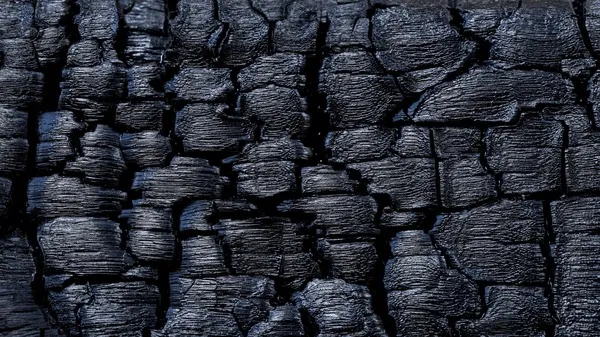
Photo: charred timber cladding garden shed brushed finish close up texture, via www.shutterstock.com
The aisle of goo
Walk into any garden centre in March and you'll find a wall of brightly labelled tins promising ten years of protection, guaranteed. Most of them are variations on the same idea: a film-forming coating that sits on the surface of the timber and shuts out the weather.
It's an understandable instinct. Wood rots, we panic, we seal it. But sealing is often the beginning of the problem rather than the end of it. Timber outdoors is not a static object; it swells and shrinks with the seasons, and moisture moves through it constantly. A rigid film on a moving surface cracks. Once it cracks, water gets in behind the film and can't get out. You've built a small, slow, wood-shaped puddle.
That's the core of the case against the plastic-first approach. Not that modern coatings are wicked, but that they're sold as a substitute for understanding what actually protects wood outdoors.
What actually kills timber
Three things, in order of damage done:
- Water sitting in the end grain. A board end is a bundle of open straws. Water wicks up it and stays. This is why a well-detailed fence outlasts a beautifully oiled one with a post buried in soil.
- UV. Sunlight breaks down lignin at the surface, which is why untreated timber goes silver-grey and then starts to check and furrow. Silvering is not decay — it's cosmetic — but the checking that follows lets water deeper in.
- Poor ventilation and ground contact. Timber that can dry is timber that lasts. Timber that stays damp is a mushroom farm.
Notice what's missing: a specific branded product. Design does most of the work. A finish is the second line of defence, and it should be breathable, sacrificial and reapplied without a chisel.
Charring: the oldest finish still working
The Japanese have been charring cedar cladding for centuries, and the technique crossed into British garden making with good reason. You take a gas torch to the surface, burn it to a decent depth, then brush off the loose carbon with a stiff nylon brush and a bit of wire wool in the corners.
What you get is a layer of carbon that shrugs off UV, resists insects and holds water at arm's length. It looks extraordinary — deep charcoal, with the grain's ridges catching light where you've brushed harder.
Where it works: fence panels, shed cladding, slatted screens, raised bed faces, decorative posts. Use a decent torch, work outside, keep a water spray to hand, and know that scorching a softwood takes far less time than you expect. Douglas fir and larch take it well; Western red cedar takes it beautifully but burns fast.
Where it doesn't: anything you need to plane or sand later, and anywhere close to a neighbour's boundary where a stray flame would make you unpopular. Check your local rules on open flames before you start — and don't do it in a dry August.
Maintenance: an occasional re-oil over the char, every two or three years, keeps it fed. The char itself will last a decade or more.
Linseed oil: slow, fussy, very good
Raw linseed oil soaks in rather than sitting on top. It feeds the timber, keeps it supple, and lets it breathe. Boiled linseed — which is raw oil with dryers added, not actually boiled — cures faster and is what most people mean when they say "oil the shed."
The catch is that linseed is a food source for mould until it cures, and in a damp British autumn it can take a while to cure. Thin the first coat, apply in warm dry weather, wipe off the surplus, and give it two or three coats. Rag disposal matters: linseed-soaked rags can self-heat. Lay them flat to dry outdoors, then bin them — never crumple them into a bucket.
Appearance-wise, oil enriches the grain and darkens timber noticeably. Larch goes honey; oak goes deep and warm. It doesn't build a film, so it wears away gradually rather than flaking, which means maintenance is a wipe-on job rather than a scraping job. Expect to top up high-wear surfaces annually and sheltered vertical faces every two or three years.
The middle ground: water-based and microporous stains
This is where most UK gardeners should probably land, and it's a less romantic answer than char or oil. Modern water-based timber stains and microporous coatings penetrate the surface and leave a breathable, slightly water-repellent finish. They don't form the thick plastic shell of the old solvent-borne products.
They're quick to apply, low in smell, and available in colours that don't look like creosote. Recoating is straightforward — clean, let it dry, one coat. Expect three to five years on vertical surfaces, less on decking and horizontals where sun and foot traffic do their worst.
The honest downside is that you're still on a treadmill, just a gentler one. And some "one coat, ten year" products are simply film-formers with better marketing. Read what's in the tin, not what's on the front.
A finish for each job
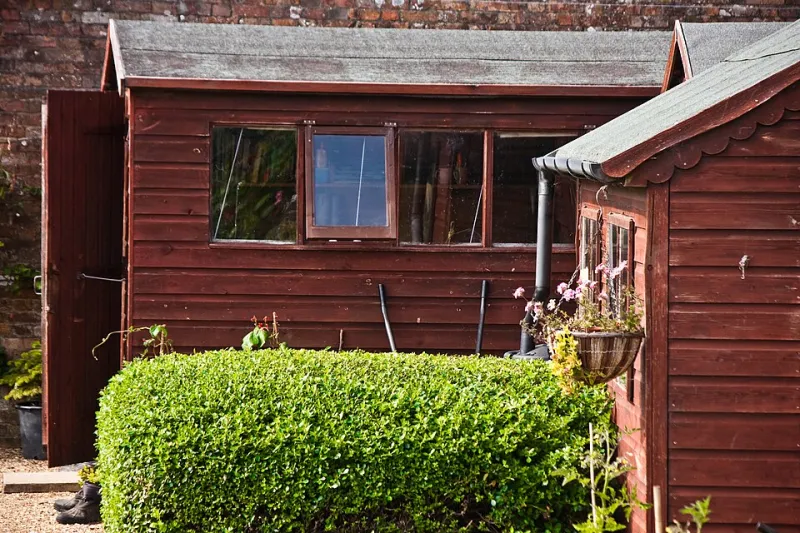
- Shed cladding, south-facing: microporous stain, or charred and oiled if you want the look. Recoat every 3–5 years.
- Fence panels and screens: char, or a cheap penetrating stain you don't mind reapplying. Fences are not heirlooms.
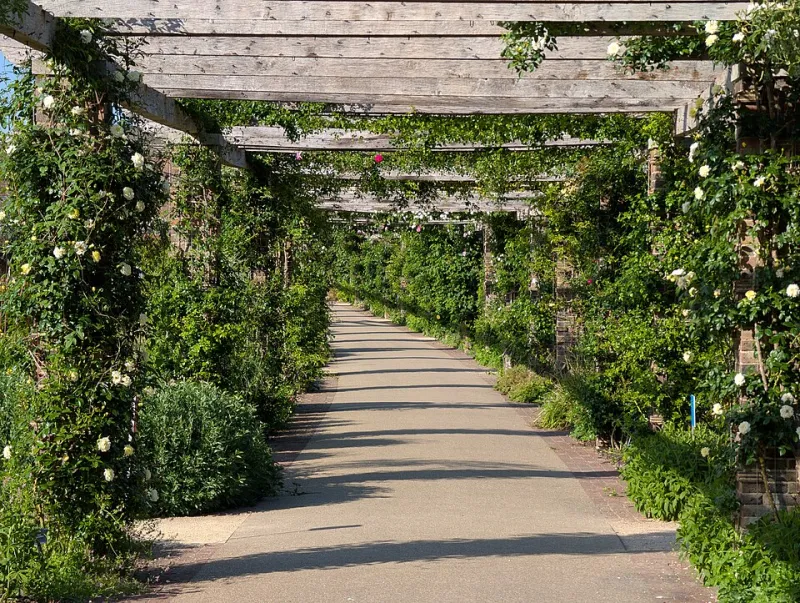
- Pergola and structural oak: leave it. Oak silvers gracefully and a finish on green oak will fail as it dries. Oil only if you want the colour.
- Raised beds growing food: bare timber or a plant-safe oil. Avoid anything with an unknown biocide where roots and soil meet.
- Decking: a penetrating oil, never a film. Decking moves too much for anything rigid.
- Anything in ground contact: no finish will save you. Specify a suitable durability class and detail it properly instead.
Maintenance is the finish
The uncomfortable truth is that a mediocre coating maintained properly outperforms an excellent coating left alone for eight years. Wood outdoors is a relationship, not a transaction.
So the recommendation is less about products than about pace. Choose a finish you can realistically reapply — something that takes an afternoon, not a week of sanding. Buy a decent brush. Do it in September when the wood is dry and the sun is still warm enough for curing. And stop treating a ten-year guarantee as an excuse to never look at the thing again.
Char it, oil it, brush it, stain it. Any of those, done with a bit of attention, will see off a British winter better than a plastic skin quietly blistering in the rain.